Technical triage
A focused review of incidents, dependencies, deployment, and the code paths behind the highest risks.
Software Rescue
When releases keep slipping or production keeps breaking, start with a focused stabilization sprint. Understand the failures, tackle the agreed priorities, and give your team a way forward.
Technical leaders with an unstable or stalled product
Every small change seems to break something else.
Your delivery team is stuck firefighting instead of moving forward.
You inherited a system that nobody is confident changing.
The challenge, made clear
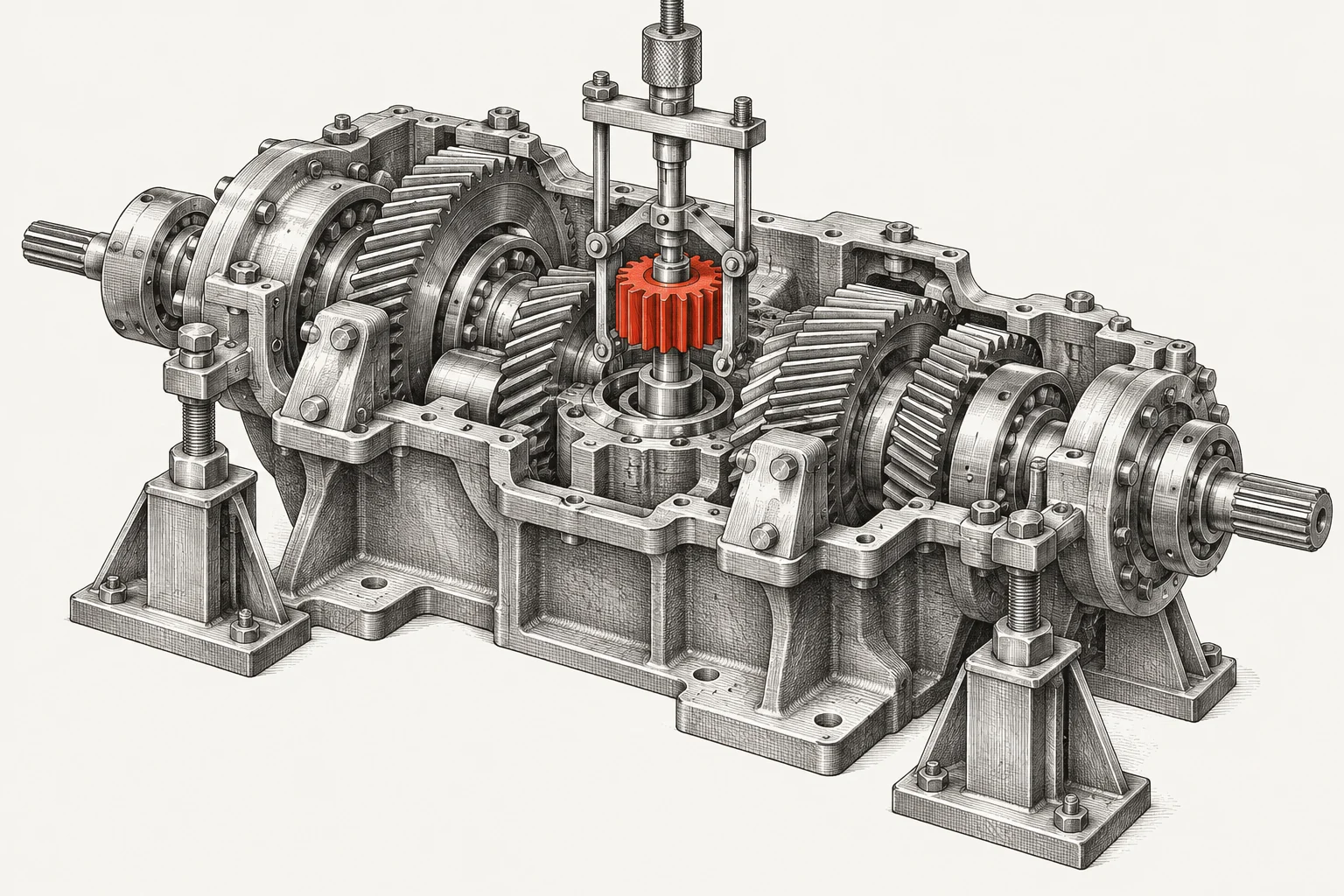
Your application holds years of business knowledge. We identify the failure points, agree a bounded intervention, and help your team regain control of the system.
See the practical deliverablesWhat you take away
The starting package covers one application and an agreed set of critical issues. We confirm the exact boundary together.
A focused review of incidents, dependencies, deployment, and the code paths behind the highest risks.
Implementation of an agreed set of priority fixes, with regression checks and a reviewed release path.
A sequenced 30/60/90-day plan, including what to keep, refactor, replace, or investigate next.
A walkthrough of the changes, operating notes, known risks, and next steps your team can own.
A practical guide
When an application keeps failing, every symptom can feel urgent. A workable rescue starts by establishing what still works, what is failing, and which intervention would make the biggest difference. You can build that picture before deciding how much code to change.
Begin by collecting a short incident history. For each failure, capture the affected workflow, the time, the deployed version, and the visible impact. Group repeated symptoms together. Ask the people handling support and operations which problem consumes the most time or prevents essential work.
Next, establish a reproducible baseline. Build the current version from source and run the important workflow in a controlled environment. Preserve the release configuration and confirm how recovery would work. If nobody can reproduce the build or restore the previous release, make that a first task.
Choose one significant failure and trace it across the system. Follow the request, database changes, and external calls using a common identifier where possible. Turn the failing example into a repeatable check. This gives you a way to tell whether a proposed fix addresses the cause.
Make the smallest change that resolves that demonstrated failure. Review the nearby behavior, run the relevant checks, and compare the result with the baseline. Keep unrelated cleanup out of this change so you can understand its effect and reverse it if necessary.
Release through the agreed process, watch the original failure signal, and record what changed. Repeat with the next priority. Keep a separate list for deeper architectural work discovered along the way. Rescue is progressing when important workflows become dependable and the team can explain why.
Our approach combines hands-on .NET diagnosis with the care required around existing industrial and business systems. We assume that an application contains valuable domain knowledge, including behavior that may never have been documented. We identify what must be preserved before recommending a replacement or a broader redesign.
We agree a bounded set of critical issues, establish tests around them, and work through visible checkpoints. Architecture improvements enter the plan when they support the agreed recovery. The handover explains the fixes, the evidence behind them, the remaining risks, and the next useful improvement.
The working tools are the debugger, application logs, SQL diagnostics, and the repository history. xUnit can capture a failing rule or integration behavior; Playwright can reproduce an affected browser journey. The existing delivery pipeline, with GitHub Actions where appropriate, provides a repeatable route to release.
In SDD, Specs Driven Development, we link each rescue issue to the affected requirement and specification. We record the reproduction, acceptance checks, and validation result together. That preserves the reason for the change and gives the next maintainer a path from the incident to the correction.
Explore the tools
Ready to begin
A few useful answers
We assess the existing system first. The default is to preserve what works and stabilize the highest-risk areas. If replacement is justified, you get the reasoning and a staged path.
The indicative estimate starts at €12,500, excluding VAT, for the stated package boundary. After a fit conversation, you receive a fixed quote with the exact deliverables, fee, and schedule. Work starts after acceptance; changes are quoted separately.
You receive the working files, findings, and a handover session. Your team can take the next steps, or we can scope a follow-on engagement together.
Let’s talk about Software Rescue
Tell us what needs to change.
We’ll review your request and come back with a practical next step. No commitment required.
Prefer email? dev@roggemans.com ↗A little context helps us make the conversation useful.
Keep exploring
Turn deployment into a routine.
Improve the software behind production.
Know what your tests are missing.